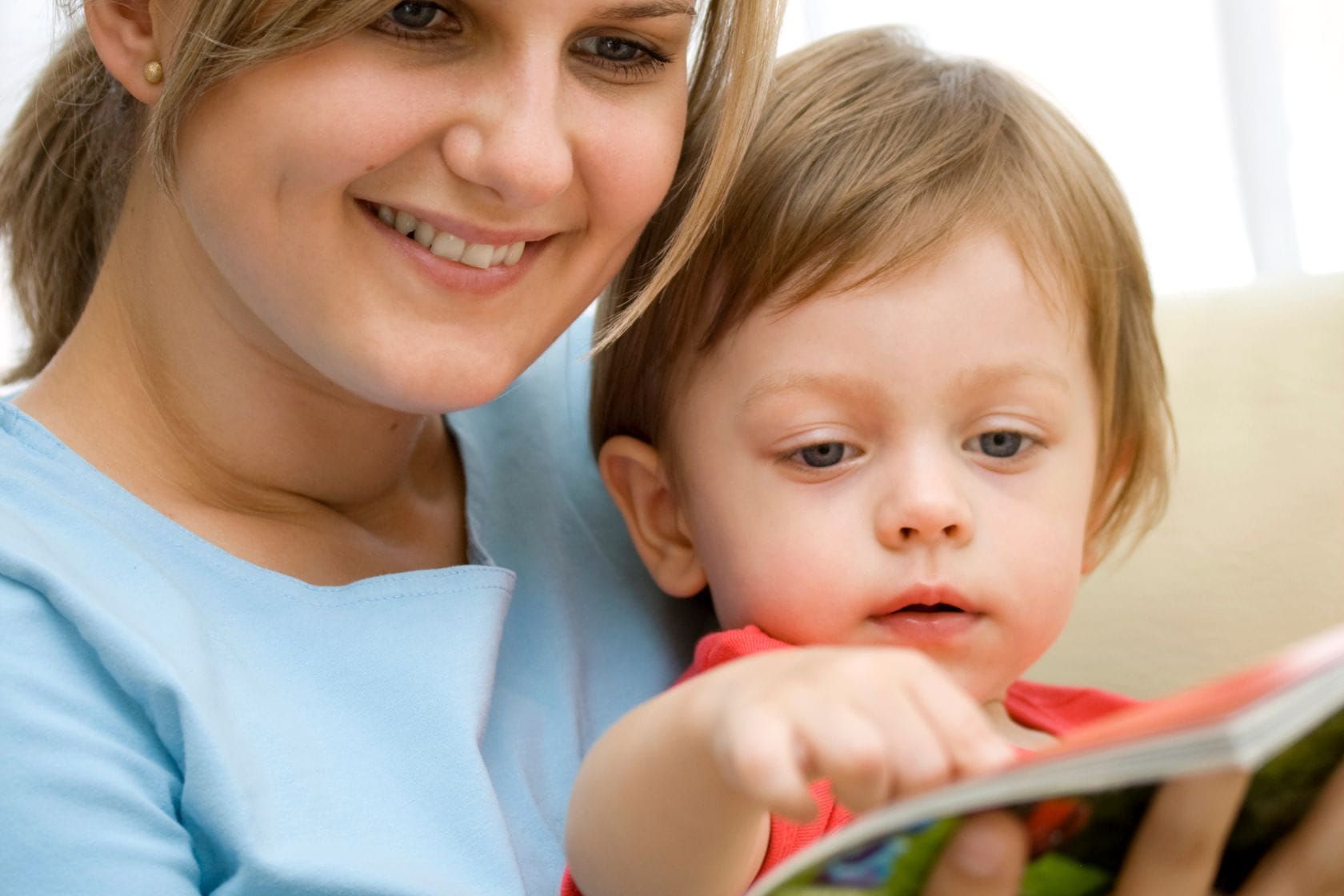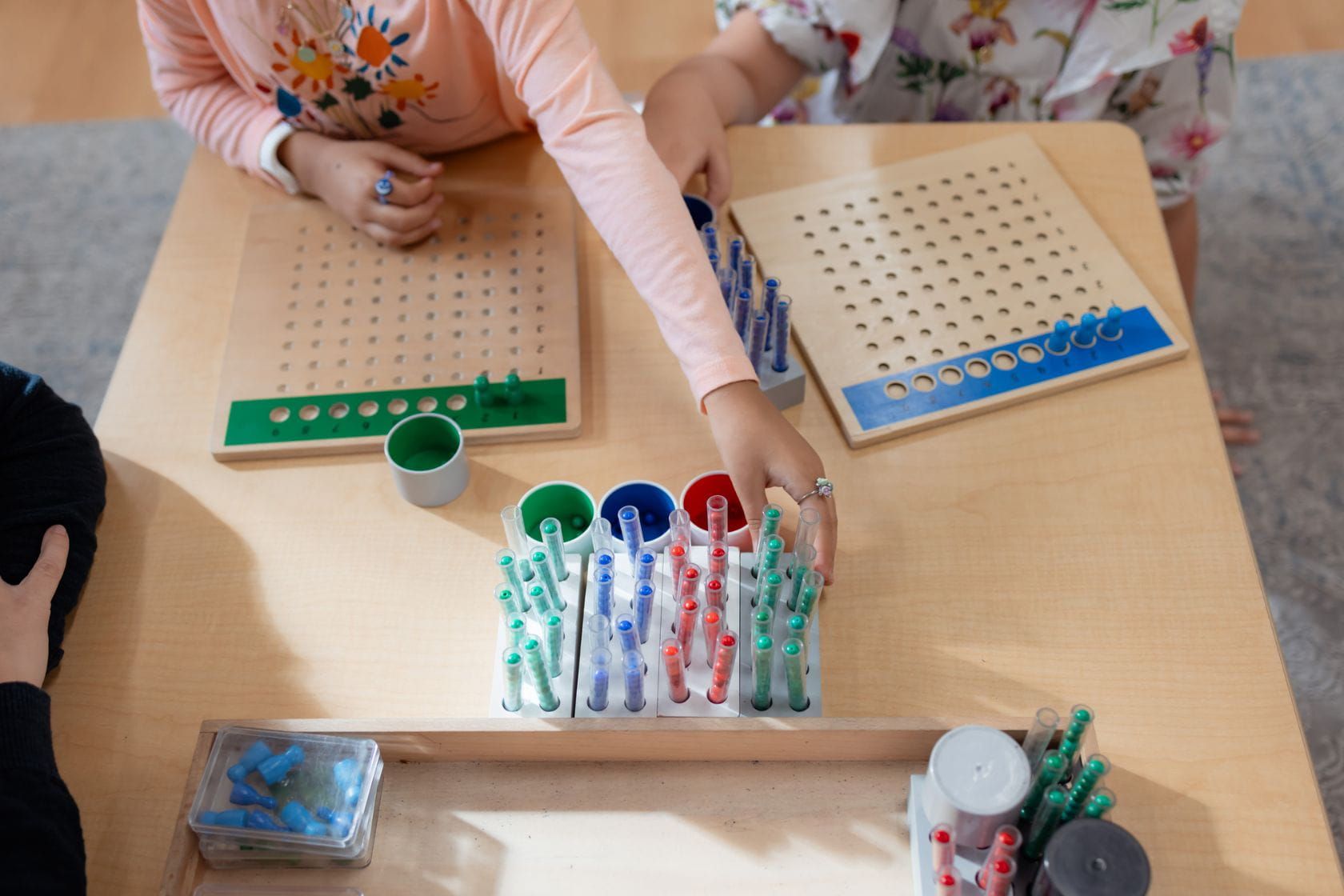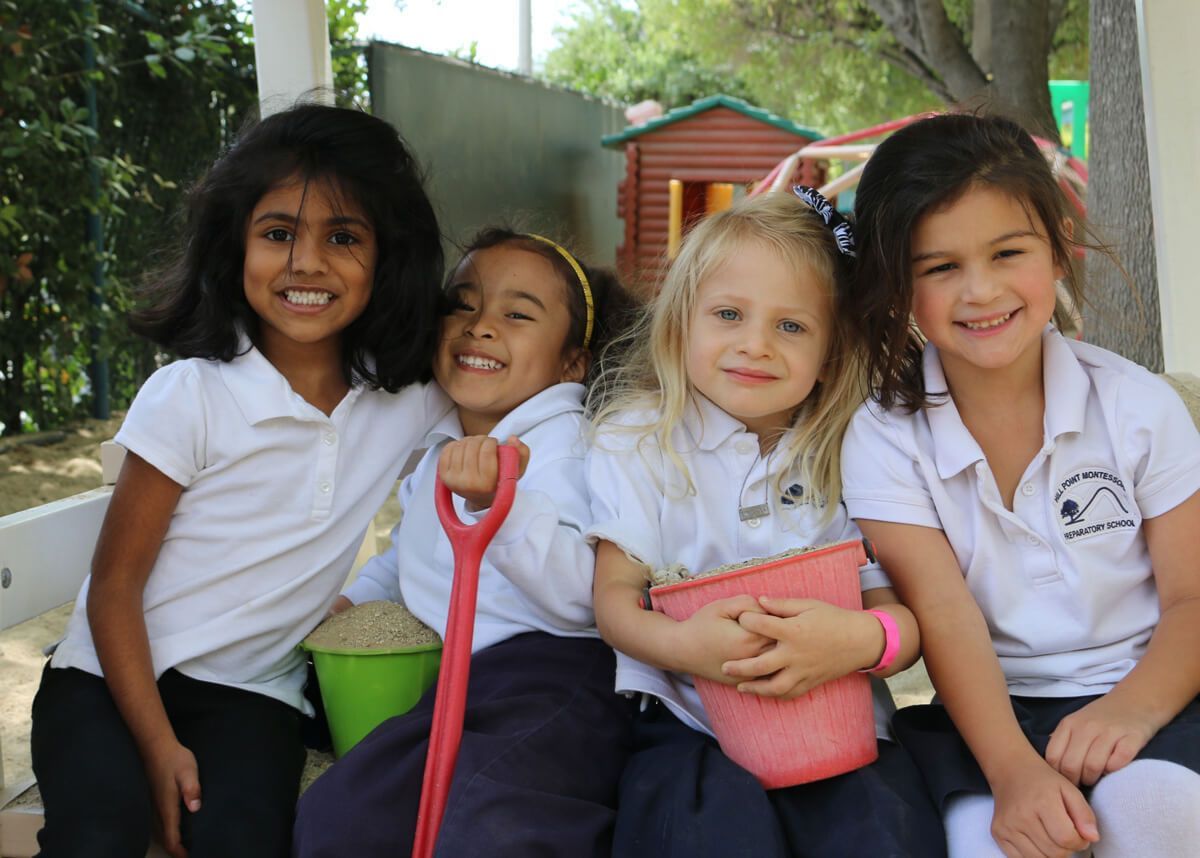
Learning to be grateful is a vital part of Montessori elementary school. In addition to a diverse academic curriculum, children need to learn to act and react in social situations of all sorts. Equally important, the ability to be grateful for what we have builds self-esteem and acceptance of new or unfamiliar things. Gratitude is such an important aspect of Montessori that Maria Montessori put social skills at the very heart of the Montessori Method.
Gratitude and Courtesy
Grace and courtesy are the foundation of Montessori Theory. Social etiquette is not a specific subject of the classroom, but it is a fundamental part of every elementary school day. Children learn the value of appreciating what they have, the warmth of helping others, and the confidence to set their own goals and course studies.
Communication
Gratitude improves communication and serves as an excellent tool for resolving conflicts. Through gratitude, children learn to express their appreciation of things and people, developing diplomatic tools that allow them to resolve conflicts in a peaceful and orderly manner. Gratitude is essential for children to share and work as a team.
Interaction
Whether playing games outdoors or working to build a terrarium inside, gratitude and respect makes it easier for children to perform in cooperative roles. By learning to interact effectively in elementary school, children are better poised to adopt leadership roles as they get older.
Respect for Self and Others
The first principle of Montessori is “Respect for the child.” Learning about, giving, earning, and receiving respect is vital to any sort of dialogue or interactive project. The quiet order of a Montessori classroom is a testament to how well children can perform when provided with simple respect and courtesy.
Academics
Everything a child learns was handed down by someone else who toiled and struggled to unearth information about the world. Language, math, and science all owe a debt of gratitude to great minds, determined pioneers, and people who had the courage to ask questions. Today’s elementary students are the future’s great minds, and learning to show gratitude for what has been given to them also encourages each child to strive a little harder so they can add to the list of famous discoveries, best-selling novels, and world-changing inventions.
For such a simple word, gratitude carries a lot of power. It can soften the angry heart, inspire the curious mind, and smooth over rough experiences. Gratitude plays a part in every transaction and interaction. For those reasons and many more, gratitude is and always will be a cornerstone of the Montessori Elementary experience.
The best way to learn more about the Montessori prepared environment is to see it in action. Schedule an appointment for a tour today to see Montessori in action.