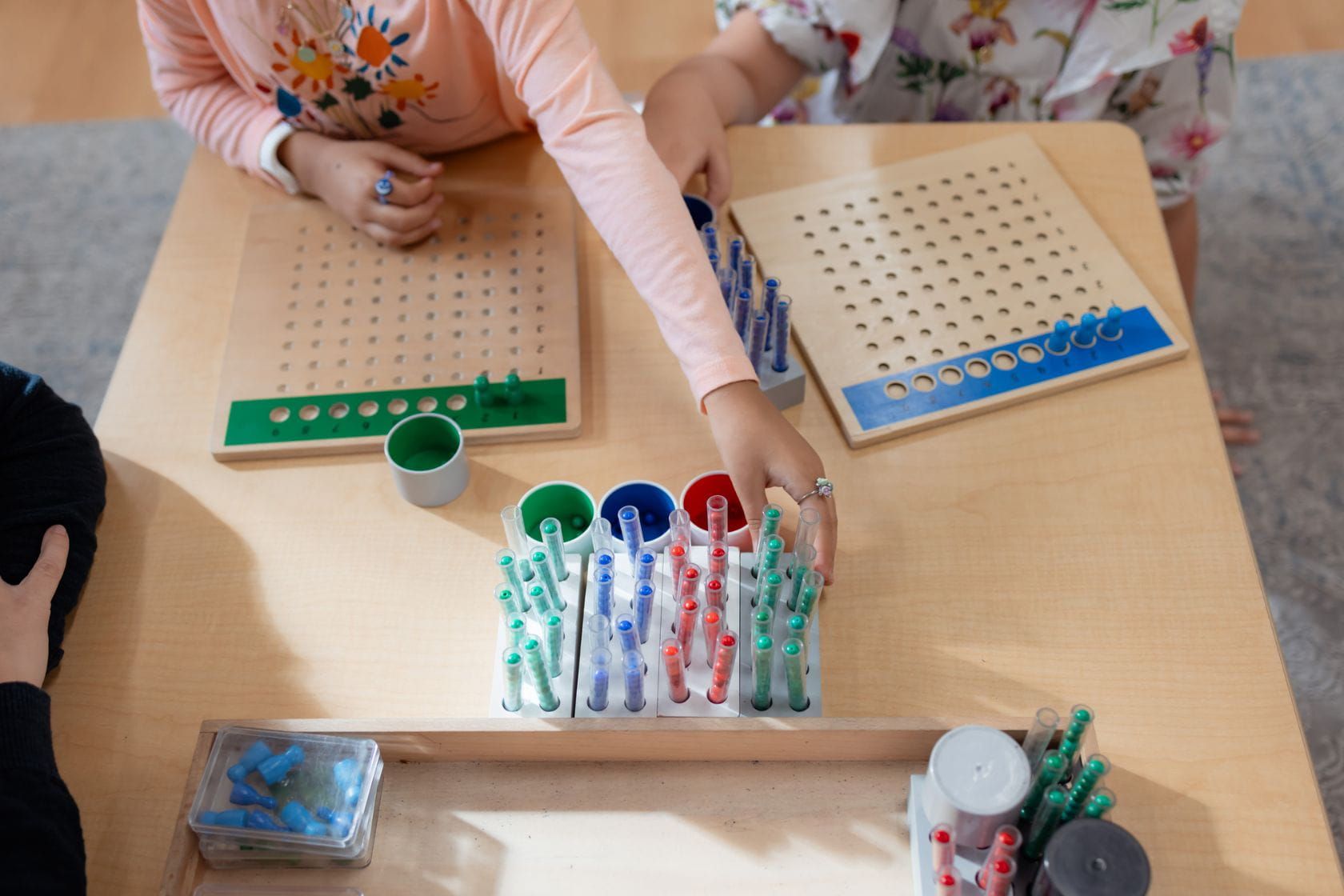
Learning about various scientific subjects at Montessori elementary school helps children discover the magic and meaning behind the world they live in. Science projects are well suited to Montessori teaching because of the physical nature of the scientific method where ideas are tested and theories are proven.
1. Animal Classification
Students can learn about animal classification by using a variety of materials such as pictures, books, and models. They can learn about the different characteristics that define each classification, such as mammals, birds, reptiles, amphibians, and fish.
2. Identifying Plant Parts
This activity involves teaching Montessori students about the different parts of a plant, such as a stem, leaves, and roots. Students can learn how each part of the plant functions and their importance. They can also learn about the different types of plants and their characteristics.
3. Study the Water Cycle
The water cycle is a fundamental concept in elementary science, and a Montessori classroom can make it an interactive and hands-on learning experience. Students can learn about the different stages of the water cycle, such as evaporation, condensation, and precipitation, by using a variety of materials such as water, a glass jar, and a heat source.
4. Learn About Planets
The solar system is another fascinating topic for elementary students, and a Montessori classroom can make it even more engaging by providing interactive activities. For example, students may create a model of the solar system using balloons and other materials to learn about the different planets and their features. Today’s children live in a world that will see humans stand on other worlds, and they need a firm foundation in the scientific method to be productive adults.
5. Discover Human Anatomy
Montessori students will learn about human anatomy by studying the different parts of the body, such as the brain, heart, lungs, and bones. They can also learn about the functions of these organs and their importance in keeping the body healthy. Hands-on activities, such as creating a model of the human body or using a stethoscope to listen to a heartbeat, can make this subject even more engaging.
Through science, human beings have learned to do everything from creating fire to visiting other planets with robotic spacecraft. It is at the core of everyday Montessori activities such as cooking, and a necessary part of many jobs, including construction and computer design. Engaging children with scientific activities that capture their imagination is a vital part of preparing today’s children for tomorrow’s challenges.
The best way to learn more about the Montessori prepared environment is to see it in action. Schedule an appointment for a tour today to see Montessori in action.